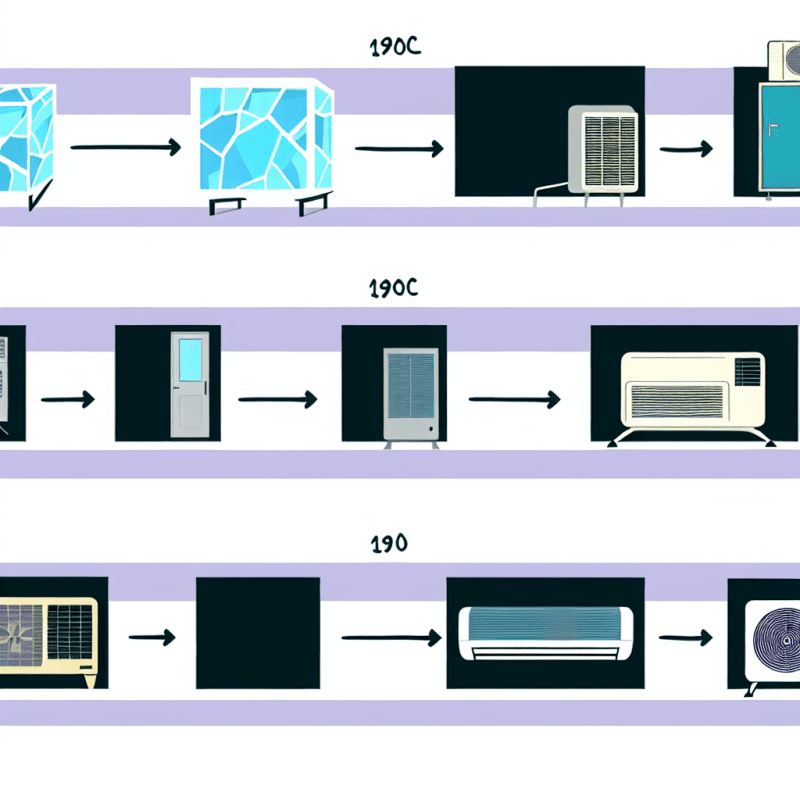
Air conditioning has come a long way since its inception. The first attempts at cooling systems date back to ancient civilizations. The Egyptians used wet reeds hung in windows to cool the air, while the Romans had aqueducts that circulated cool water to lower temperatures in their homes. It was all about getting a little relief from the heat, even back then!
The modern air conditioner as we know it began to take shape in the early 1900s. In 1902, a guy named Willis Carrier designed the first mechanical air conditioning system to control humidity in a printing plant. This invention wasn’t just about comfort; it changed industries by making it possible to produce things year-round without worrying about heat damaging materials.
By the 1950s, air conditioning started becoming a common household feature. People wanted to escape the sweltering summer heat, so manufacturers began producing affordable window units. This was a game-changer! Suddenly, families could enjoy cool air without needing to dodge the heat outdoors.
Fast forward to today, and we’ve got all sorts of nifty options. From central air systems that cool whole homes to portable units you can move from room to room, there’s something for everyone. Energy efficiency and smart technology are big players now, letting us control the temperature with just a tap on our phones. Cooling has become more convenient and eco-friendly than ever before!
How Air Conditioning Works for You
Ever wonder how air conditioning actually cools you off? It’s pretty cool (pun intended) when you think about it! Air conditioning works by taking the warm air from your room, cooling it down, and then blowing it back to you at a comfortable temperature. Let’s break it down.
The heart of the air conditioning system is the refrigerant. This special fluid absorbs heat from the air inside your home. When the refrigerant gets warm, it moves to the compressor, which is usually located outside. The compressor pressurizes the gas, making it super hot, and then sends it to the condenser coils where it cools down and changes back into a liquid.
Once the refrigerant is back to being a liquid, it travels through a series of valves into the evaporator coils found inside your home. When this liquid evaporates, it absorbs heat from the room air, making your space cooler. The now-cool air gets blown back into your room through the vents, creating that chilly breeze you love on a hot day!
Simple, right? Air conditioning takes warm air, cools it down, and gives you a nice escape from the summer heat. It’s all about circulating air and making sure you stay comfortable, no matter how high the temperature rises outside. So, the next time you kick back in your cool home, you’ll know exactly how your air conditioner is working hard for you!
Types of Air Conditioners Explained
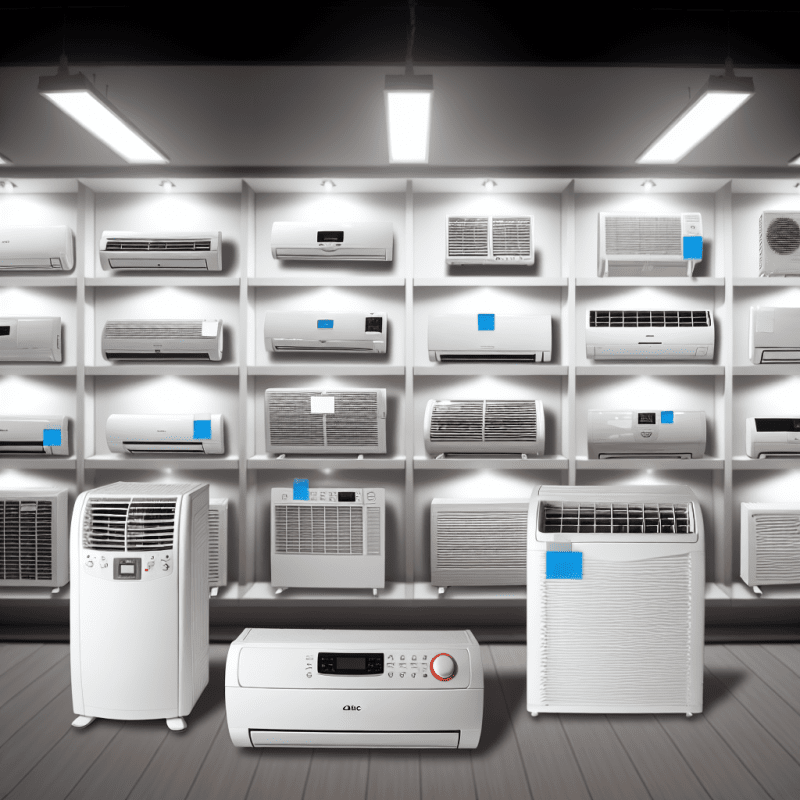
Air conditioners come in different types, all designed to keep you cool and comfy, but each has its own vibe and purpose. Let’s break down the most common types so you can figure out what works best for your space.
Window Air Conditioners
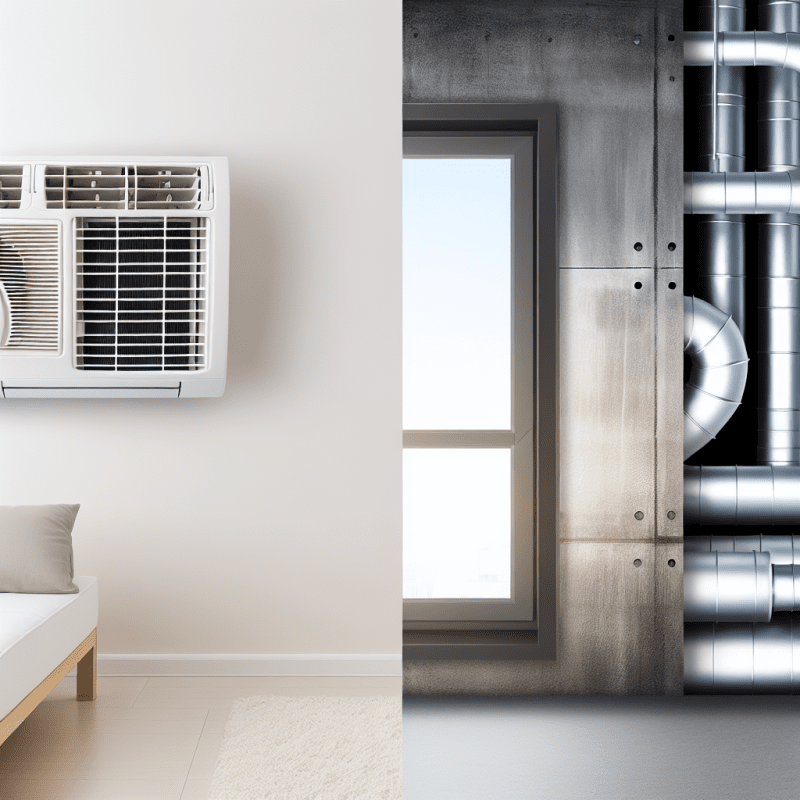
These guys are the classic choice for cooling a single room. They fit right into your window, which makes installation a breeze. If you live in a smaller space or need extra cool air in a specific area, a window unit is a solid pick. Just make sure your window frame can handle it!
Portable Air Conditioners
Need flexibility? Portable air conditioners are your best friend. They roll around on wheels and don’t require any permanent installation. You can easily move them from room to room. Just remember, you’ll need to vent them through a window or door, but that’s really simple.
Central Air Conditioning
If you want to cool your whole house without dealing with multiple units, central air is the way to go. This system uses ductwork to distribute cool air throughout every room. It’s super efficient and perfect for larger homes. Once it's set up, you can just relax and enjoy the cool breeze everywhere!
Ductless Mini-Split Systems
Ductless mini-splits are a fantastic option if your home doesn’t have existing ductwork. They consist of an outdoor compressor and one or more indoor air handlers. This setup gives you the flexibility to cool specific rooms without major renovations. Plus, they’re energy efficient and can also provide heating during the chilly months.
Tips for Choosing the Right Unit
Choosing the right air conditioner doesn’t have to be overwhelming. Let’s break it down into simple steps to help you find a unit that fits your space and needs.
First off, think about the size of the room. If you pick an AC that's too small, it’ll struggle to cool you down. Too big, and it’ll cool the room too quickly without actually dehumidifying it, which can leave you feeling clammy. A good rule of thumb is to look for units that list the recommended room size in square footage.
Next, consider how energy-efficient the unit is. Look for the ENERGY STAR label. These models can save you some cash on your energy bills while keeping your space cool. Plus, being energy-efficient means you’re doing your part for the planet.
Also, check out the noise level. If you’re someone who enjoys peace and quiet, look for models that operate quietly. It’s essential, especially if you're putting the unit in a bedroom or home office. Many brands list decibel levels, so keep an eye on those numbers.
Last but not least, think about the extra features. Do you want a remote control? Smart home compatibility? Adjustable fan speeds? Lots of units offer these perks. They can make using your air conditioner way more convenient and tailored to your comfort.